
Special Offers This Week - Hurry, while stocks last



GardenOasis TV

Shop By Brand
Expert Advice View All
Buying a Garden Shed: The Difference Between Overlap, Shiplap and Tongue & Groove
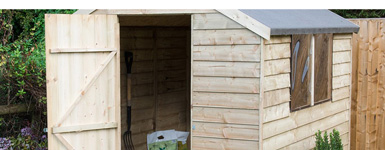
When buying a shed, you may be looking at the aesthetics, the price and its quality; however, it might be easy to overlook the build and cladding.Whilst cladding can often be mistaken as being a seemingly minor aspect of your garden shed, it can affect the strength, price and even what you can use it for. Therefore, it’s vital to know the difference between the different styles to help you find the perfect shed for you.Overlap, shiplap and tongue and groove are different building styles, with the wooden panels all locking together differently. Each type offers positives and negatives, so read .. Read More

A lush, vibrant lawn is a pride for any homeowner. Not only does it enhance the curb appeal of your property, but it also provides a tranquil space for outdoor activities and relaxation. Achieving and maintaining a beautiful lawn requires dedication and consistent care. In this article, we'll provide you with seven essential tips to help you keep your lawn looking great throughout the year. 1. Regular Mowing Proper mowing is the foundation of a healthy lawn. Set your mower at the correct height (around 2 to 3 inches) and avoid cutting more than one-third of the grass blade at a time. Regul.. Read More
Gates and Railings: Expert Installation Guide

The external appearance of your home is just as important as the inside, and attractive gates or railings can present an elegant effect while increasing your family’s security. However, while many people have considered such an adornment, the rules around installation can sometimes appear off-putting.The reality is that gates or railings not only protect your property, belongings and loved ones, they can also improve your privacy and create a favourable first impression if trying to sell the house. To help you better understand the rules and regulations, we’ve created this comprehensive guide... Read More

 Then select "Add to Home Screen"